

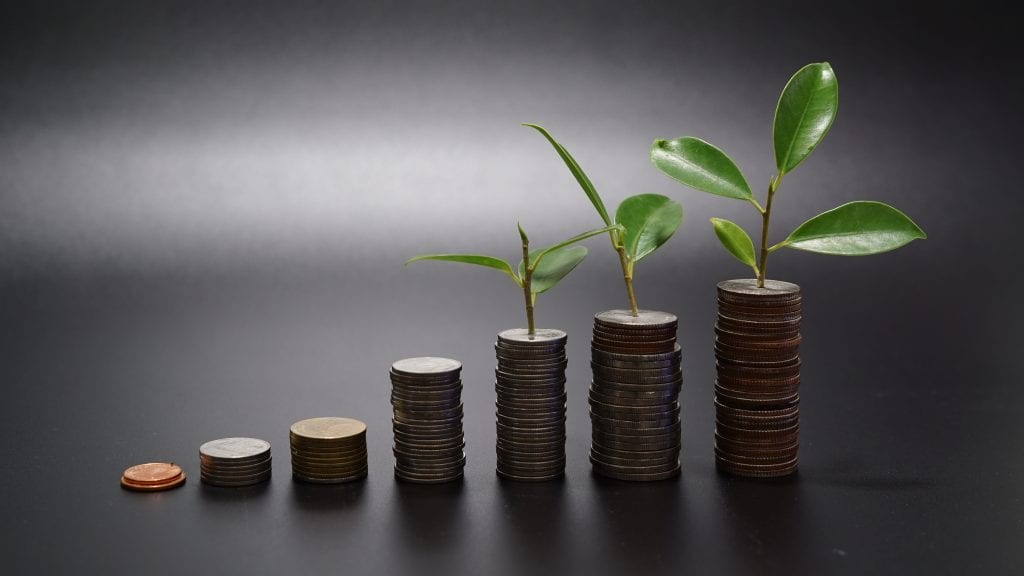
Investing in mutual funds can be a powerful way to build wealth over time, thanks to the magic of compounding. In this article, we’ll explore what compounding is, how it works in the context of mutual fund investment, and some strategies for maximizing your returns.
What is compounding?
Compounding is a mathematical phenomenon that occurs when you earn interest or returns on your investment, and then reinvest those earnings to generate even more returns. Over time, the effect of compounding can be quite dramatic, as your initial investment grows exponentially.
For example, let’s say you invest Rs.1,000 in a mutual fund that earns an average annual return of 8%. In the first year, your investment would be worth Rs.1,080. In the second year, you would earn 8% not just on your initial Rs.1,000 investment, but on the Rs.80 you earned in the first year. This would bring your total investment value to Rs.1,166.40. Over time, the compounding effect becomes more pronounced, and your investment can grow significantly.
How does compounding work in mutual fund investment?
Mutual funds are an ideal vehicle for taking advantage of the power of compounding. When you invest in a mutual fund, your money is pooled together with money from other investors to purchase a diversified portfolio of stocks, bonds, or other assets. As the value of those assets increases, so does the value of your investment.
In addition, many mutual funds pay dividends or interest on a regular basis, which can be reinvested to generate even more returns. This reinvestment of dividends or interest is known as a dividend reinvestment plan (DRIP).
DRIPs can be an especially powerful way to take advantage of the compounding effect. By reinvesting your dividends, you can increase the size of your investment without having to contribute any additional money. Over time, this can lead to significant growth in your investment.
To maximize the power of compounding in your mutual fund investments, here are some strategies to consider:
- Start early: The earlier you start investing, the more time your money has to compound. Even small investments made early in life can grow significantly over time.
- Be consistent: Regular, consistent investments can help ensure that you take full advantage of the compounding effect. Consider setting up automatic contributions to your mutual fund on a monthly or quarterly basis.
- Reinvest dividends: As mentioned earlier, reinvesting your dividends can be an effective way to generate even more returns over time.
- Choose the right mutual funds: Look for mutual funds that have a proven track record of generating strong returns over time. You should also consider factors such as fees, diversification, and risk level when selecting funds.
- Avoid withdrawing early: Withdrawing money from your mutual fund early can disrupt the compounding effect and limit your potential returns. Try to avoid withdrawing money unless it’s absolutely necessary.
In conclusion, the magic of compounding can be a powerful tool for building wealth over time, especially in the context of mutual fund investments. By understanding how compounding works and implementing strategies to maximize its power, you can potentially generate significant returns and achieve your financial goals. So, start investing early, be consistent, reinvest dividends, choose the right mutual funds, and avoid withdrawing early to harness the full power of compounding.